What is a Conservation Area? Key Facts for Homeowners
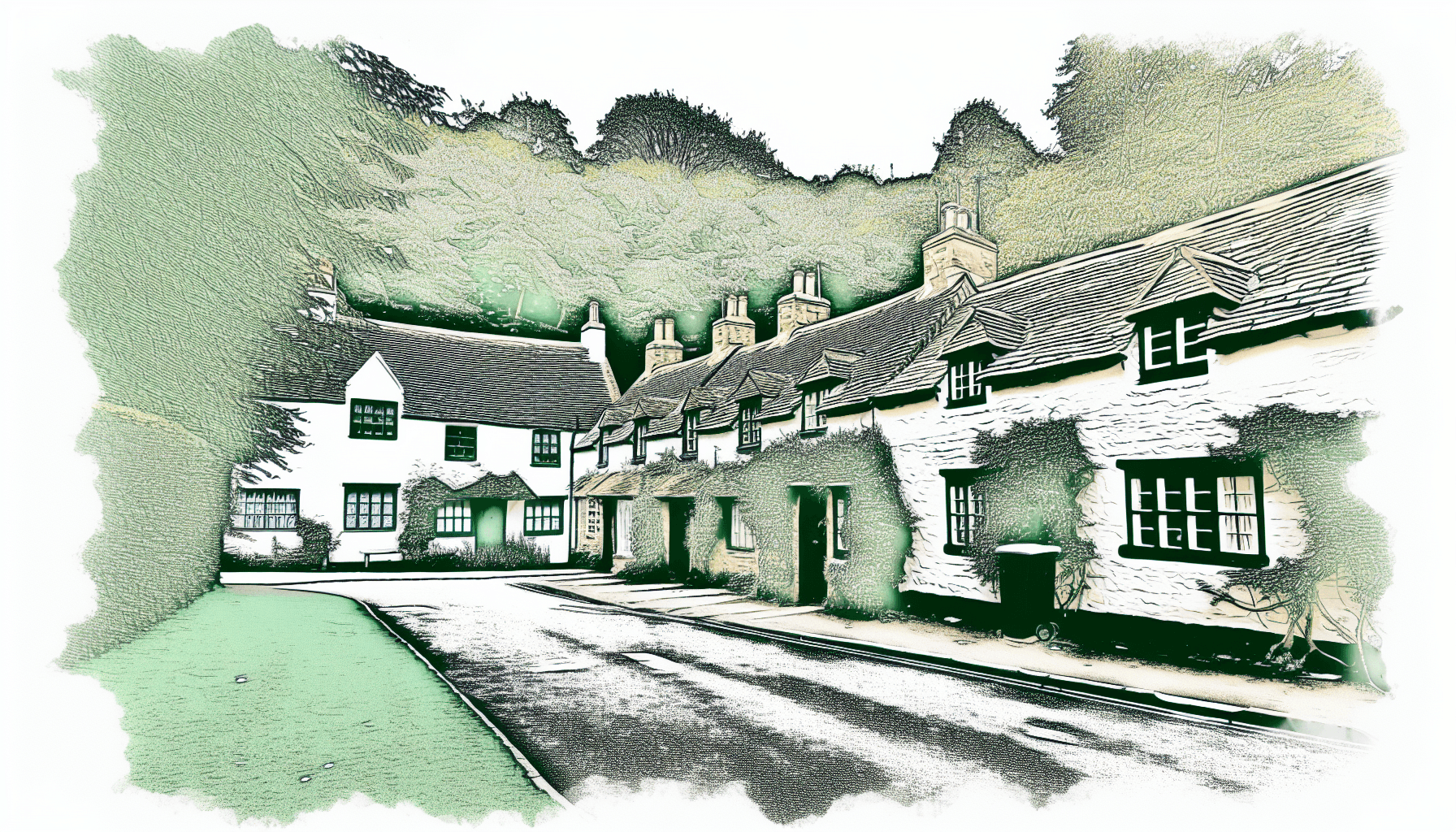
Conservation Areas exist across the United Kingdom, preserving special architectural and historical places for future generations. If you own a property within one of these designated zones, it’s essential to understand what this means for your home and any alterations you might wish to make. This article explores what Conservation Areas are, the implications for homeowners, and how to navigate the specific planning requirements they entail.
What is a Conservation Area?
A Conservation Area is a designation used in the United Kingdom to protect places of special architectural or historic interest. These areas are designated by local planning authorities under the Planning (Listed Buildings and Conservation Areas) Act 1990. The primary purpose of Conservation Areas is to preserve and enhance the character and appearance of places with particular historical or architectural significance.
The UK currently has over 10,000 Conservation Areas, ranging from historic town centres and fishing villages to 18th-century squares and Victorian suburbs. These designations acknowledge that it’s not just individual buildings that matter, but the collective character of an area – including street layouts, building materials, public spaces, and even trees and greenery.
If you’re unsure whether your property falls within a Conservation Area, you can check your property’s status online or contact your local planning authority directly.
Why Conservation Areas Matter
Conservation Areas play a vital role in preserving our built heritage and maintaining the distinctive character of historic places. The designation helps to:
- Protect historically significant neighbourhoods from inappropriate development
- Maintain the architectural integrity of an area
- Preserve the historical context of buildings and streets
- Enhance property values by ensuring high-quality surroundings
- Promote sustainable development that respects local character
For homeowners, living in a Conservation Area can be both a privilege and a responsibility. While it ensures your neighbourhood maintains its special character, it also means additional planning controls apply when making changes to your property.
Additional Planning Controls in Conservation Areas
If your property is in a Conservation Area, you’ll need to comply with additional planning regulations beyond standard planning permission requirements. These additional controls typically include:
Demolition Restrictions
In Conservation Areas, the demolition of buildings (including some that might otherwise be demolished without permission) requires planning permission. This is known as Conservation Area Consent, although this has now been incorporated into the general planning permission process. Before demolishing any structure in a Conservation Area, it’s essential to consult with your local planning authority.
Extended Permitted Development Restrictions
While many homeowners in the UK enjoy certain “permitted development rights” that allow them to make minor changes without planning permission, these rights are more limited in Conservation Areas. Restrictions typically apply to:
- Extensions and additions to the side or rear of properties
- Alterations to roofs, including loft conversions and roof extensions
- Installation of satellite dishes and antennas that face highways
- Cladding or changing the exterior appearance of your property
- Installing solar panels on front-facing roofs
If you’re planning any modifications to your home, it’s advisable to verify your Conservation Area status and consult with your local planning department before proceeding with any work.
Article 4 Directions: Further Restrictions
In some Conservation Areas, local authorities implement Article 4 Directions, which remove specific permitted development rights. These directions are designed to provide additional protection for features that contribute significantly to the area’s character.
Under an Article 4 Direction, you might need planning permission for works that would typically be considered permitted development, such as:
- Replacing windows and doors
- Altering or removing chimneys
- Changing roof materials
- Painting the exterior of a previously unpainted building
- Installing or altering boundary walls, fences, or gates
The specific restrictions vary between different Conservation Areas, so it’s important to check with your local planning authority about any Article 4 Directions that might apply to your property.
Trees in Conservation Areas
Trees contribute significantly to the character and appearance of Conservation Areas. As such, they receive special protection under planning legislation. If you want to carry out work on a tree in a Conservation Area (even if it’s not specifically protected by a Tree Preservation Order), you must give your local planning authority six weeks’ notice before any work begins.
This notice period allows the authority to consider whether the tree merits further protection. Failure to provide this notice is an offence and could result in significant fines, particularly if the tree is subsequently removed or destroyed.
Applying for Planning Permission in a Conservation Area
When applying for planning permission in a Conservation Area, you’ll need to provide more detailed information than for standard applications. Your application should demonstrate how your proposed changes will preserve or enhance the character of the Conservation Area.
Key considerations for a successful application include:
- Design quality that complements the area’s character
- Use of appropriate materials that match or harmonise with existing buildings
- Scale and proportions that respect neighbouring properties
- Retention of important architectural features
- Preservation of important views and spatial relationships
Many local authorities have produced Conservation Area Appraisals or character assessments that identify the key features and special qualities of each Conservation Area. These documents can provide valuable guidance when planning alterations to your property.
Enforcement and Penalties
Local planning authorities have various powers to address unauthorised works in Conservation Areas. If you carry out work without the necessary planning permission, you may face:
- Enforcement notices requiring you to restore the property to its original state
- Prosecution, potentially resulting in substantial fines
- Difficulty selling your property in the future due to unresolved planning issues
The consequences for unauthorised demolition in Conservation Areas can be particularly severe, with maximum penalties including unlimited fines. It’s always advisable to seek the appropriate permissions before undertaking any work.
Benefits of Conservation Area Status
Despite the additional planning restrictions, Conservation Area status offers several benefits to homeowners:
Protection of property values: Properties in well-maintained Conservation Areas often command premium prices due to their attractive surroundings and the assurance that the neighbourhood’s character will be preserved.
Enhanced living environment: Conservation Areas typically offer aesthetically pleasing surroundings with consistent architectural styles and well-preserved historic features.
Community pride: Living in a Conservation Area often fosters a sense of community and shared responsibility for maintaining local heritage.
Grant opportunities: Some Conservation Areas may be eligible for special funding or grants for restoration work, although these have become more limited in recent years.
Working with Conservation Officers
Most local authorities employ Conservation Officers who specialise in historic buildings and Conservation Areas. These professionals can provide valuable advice about suitable alterations to your property.
Many planning departments offer pre-application advice services, allowing you to discuss your plans with a Conservation Officer before submitting a formal application. While there may be a fee for this service, it can save time and money by identifying potential issues early in the process.
Conclusion
Living in a Conservation Area brings both responsibilities and rewards. By understanding the additional planning controls and working within them, you can help preserve the special character of your neighbourhood while successfully adapting your home to meet your needs.
Whether you’re planning significant renovations or minor alterations, taking the time to research Conservation Area requirements and consult with your local planning authority will help ensure your project complies with the necessary regulations. Remember that the ultimate goal of these protections is to safeguard our shared architectural and historical heritage for future generations to enjoy.
Before making any changes to your property, always check whether it falls within a Conservation Area and understand the specific restrictions that apply in your location. With the right approach, you can successfully balance conservation requirements with your home improvement aspirations.